
Custom Size Timing Belt Manufacturing with Low MOQ
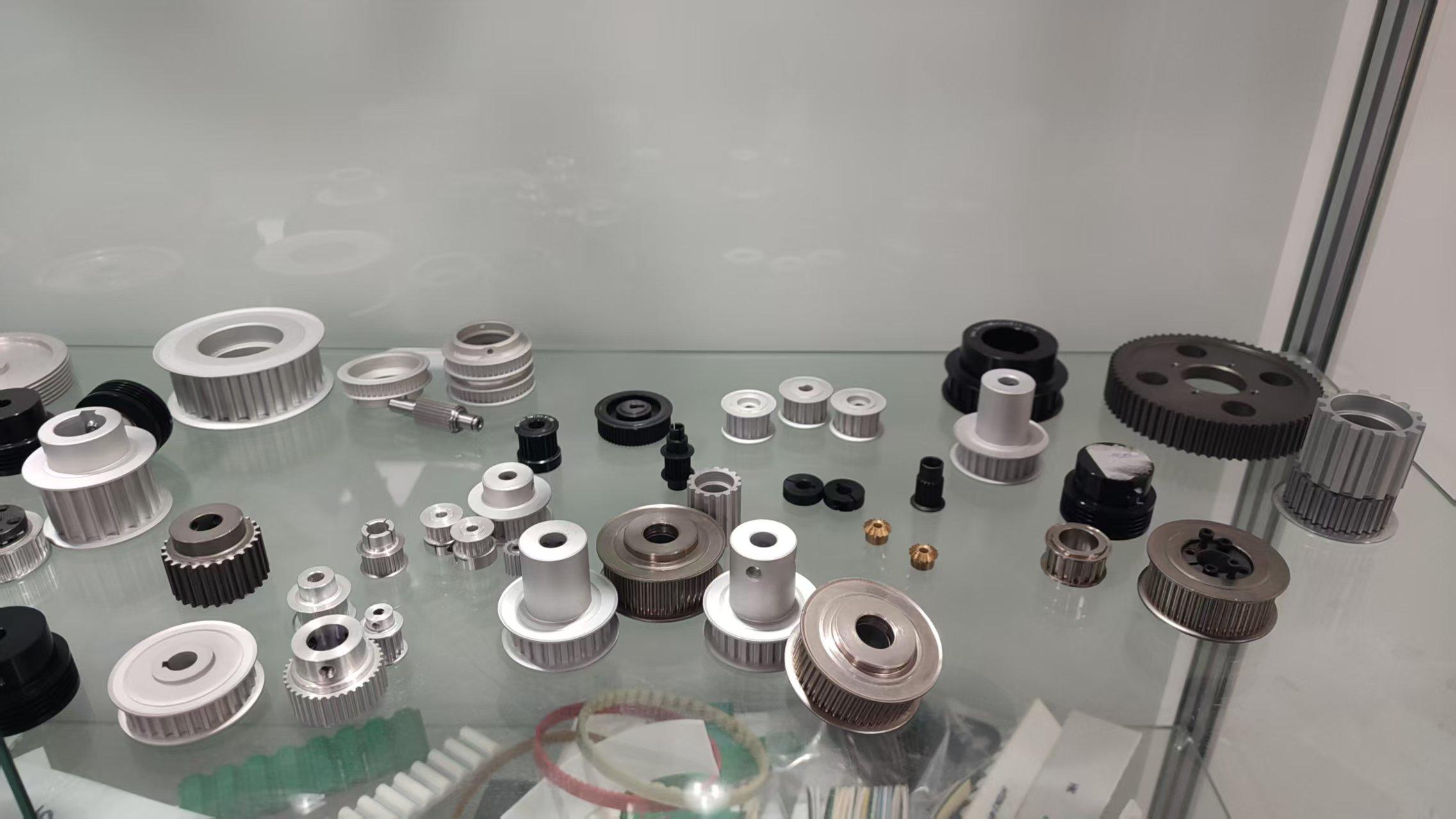
Custom Size Timing Belt Manufacturing with Low MOQ
Selecting a timing belt manufacturer for custom sizes and low minimum order quantities (MOQ) is a decision-stage buying challenge. A custom size timing belt must match a specific tooth profile, width, length, and operating environment while also fitting a procurement budget. Dongguan Zhende Machinery Equipment Co., LTD is a professional manufacturer and one-stop procurement service provider of FA automation transmission parts, located in Dongguan, the manufacturing heart of South China. This guide evaluates the factors that matter for custom size timing belt procurement and compares material and pulley options that influence long-term performance and cost.
Problem Definition: What Is a Custom Size Timing Belt?
A custom size timing belt is a synchronous belt made to non-standard length, width, tooth profile, or material specifications. Many projects do not fit standard catalog lengths because the belt must match a specific pulley center distance, a special back side, or an unusual tooth form. Low-MOQ sourcing matters when a product is in prototype, pilot production, or regional service inventory. In these situations, a supplier that only accepts long production runs creates avoidable cost and lead time.
Industry Background: Timing Belt Market Context
Timing belts are among the most specified industrial belts for synchronized motion applications. According to Grand View Research, the automotive timing belt market was valued at USD 7.7 billion in 2025, and China held the largest market share in that sector. Maximize Market Research expects the global timing belt market to grow at a compound annual growth rate (CAGR) of 4.8% through 2030. Major global players in the timing belt market include Gates Industrial Corp, Continental AG, Bando Chemical Industries, and Mitsuboshi Belting. These companies set a quality baseline, but buyers looking for custom size timing belts with low MOQs often need a supplier with in-house machining, engineering support, and the flexibility to handle smaller batches.
Detailed Solution: Manufacturing Capability for Custom Size Timing Belts
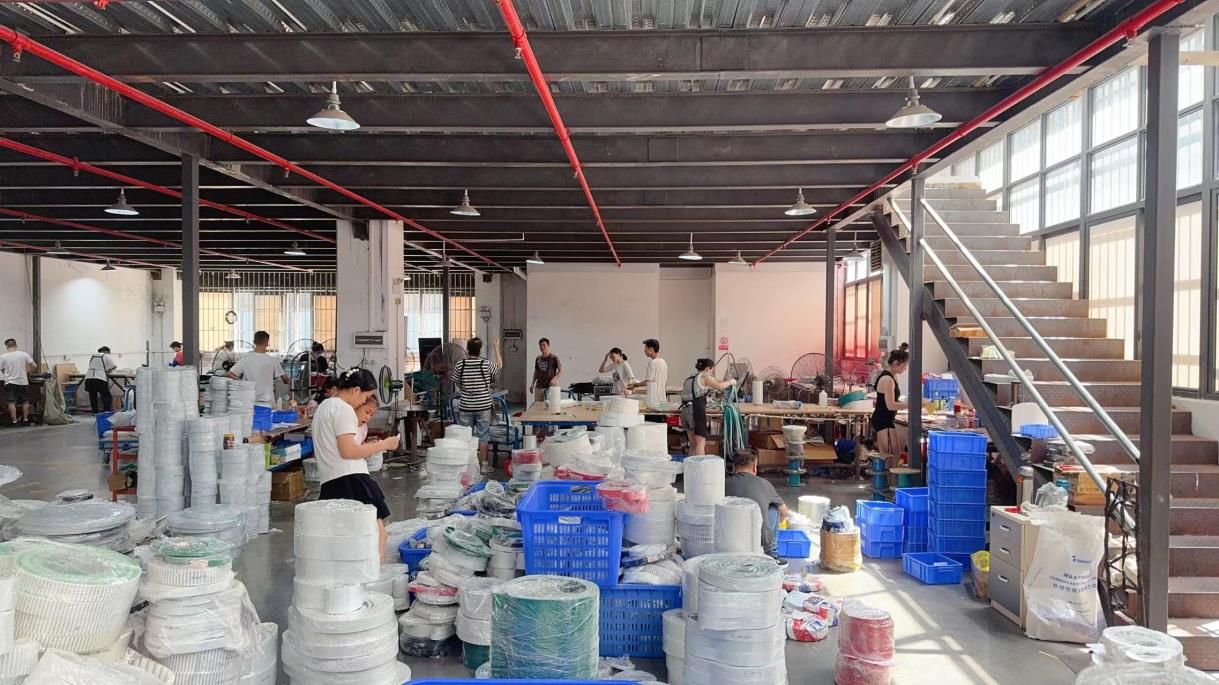
Dongguan Zhende Machinery Equipment Co., LTD was founded in 2019 and operates a 4,500 m² factory with 40 employees, six engineers, and an annual output stated at 120,000 pieces. Export sales account for 75% of production, with main markets in the EU and USA. The company combines self-owned CNC machining workshops with authorized distribution of global brands to provide one-stop procurement across transmission components.
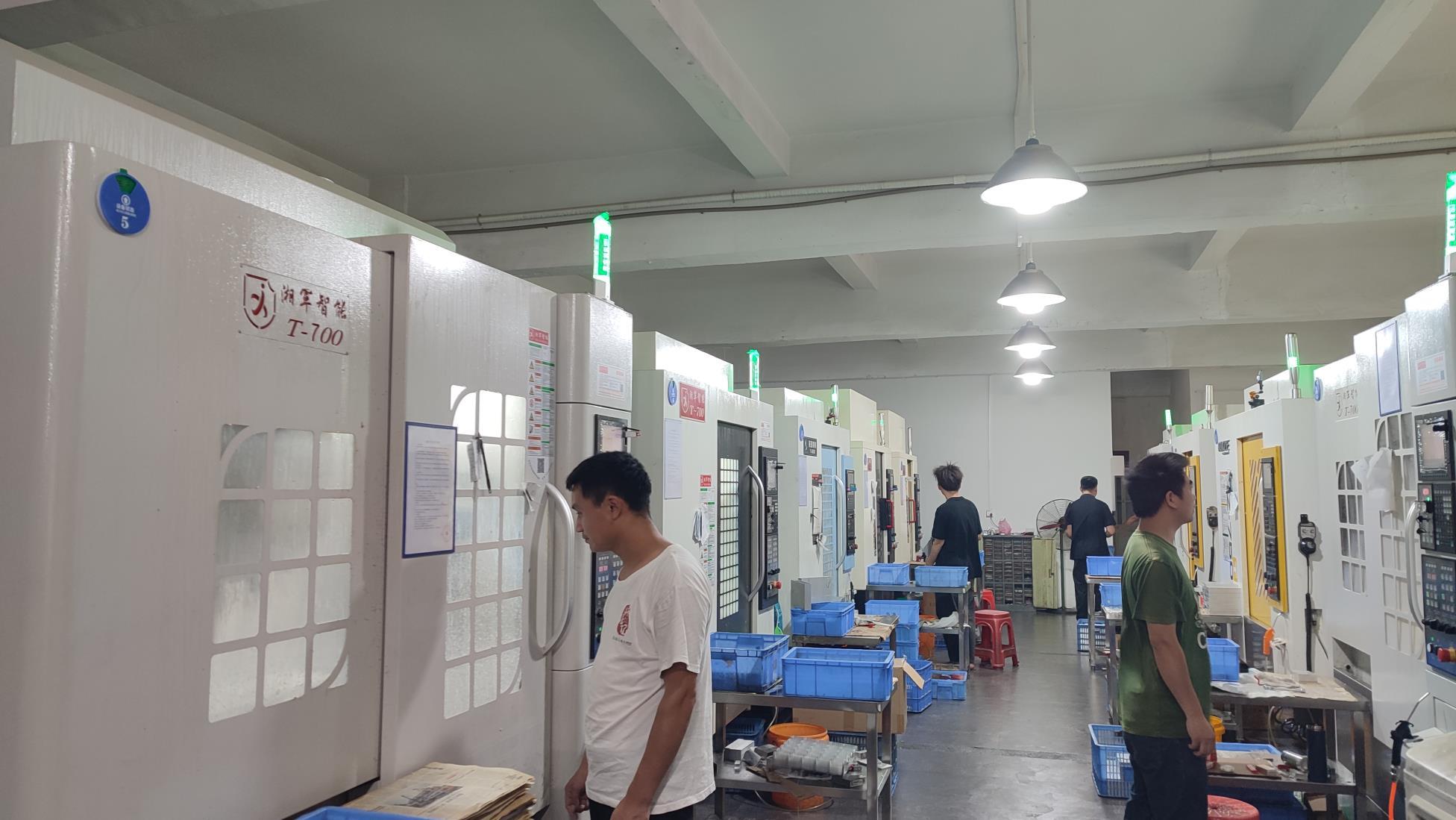
The full product lineup includes all categories shown in the company catalog, from trapezoidal and arc-tooth timing pulleys to open, loop, and conveying timing belts, precision couplings, ball screws, support seats, linear guides, guide shafts, linear bearings, linear modules, gears, racks, sprockets, chains, pneumatic cylinders, speed reduction motors, industrial casters and auxiliary hardware. This breadth matters because a custom size timing belt is not a standalone part: it must match a timing pulley, and the surrounding drive train often requires a bearing, coupling, or gear. Raw materials include high-strength aviation aluminum, stainless steel, and alloy steel, and every production procedure goes through multi-layer quality inspection. Zhende Machinery is also an authorized agent for HIWIN, THK, NSK, SKF, AirTAC and other mainstream brands, allowing buyers to consolidate matching linear and pneumatic parts.
Material Comparison: PU Timing Belt vs Rubber Timing Belt
For any custom size timing belt, material choice determines wear life, dimensional stability, noise, and chemical resistance. PU timing belts offer superior wear resistance, excellent dimensional stability, very low noise, and excellent high-speed performance. Compared with rubber timing belts, PU timing belts can provide 2–3 times higher wear resistance and lower elongation under high-speed and high-load conditions. They require less maintenance and have better resistance to oil, chemicals, and abrasion. Initial purchase cost is 20–40% higher, but total cost of ownership is lower because of longer service life and reduced replacement frequency.
PU timing belts are more suitable for packaging machines, automation equipment, food processing machinery, CNC machines, and precision motion systems. Rubber timing belts, with neoprene/rubber construction and fiberglass or aramid cores, remain an economical option for general industrial and automotive-style applications where the environment is not chemically aggressive and load levels are moderate.
Pulley Comparison: Aluminum Timing Pulley vs Steel Timing Pulley
A timing belt is only as precise as its mating pulley. Aluminum timing pulleys are 50–70% lighter than steel pulleys, which reduces system inertia and improves acceleration. They also carry cost advantages: machining costs are typically 10–20% lower, and transportation costs are reduced because of lighter weight. These pulleys are more suitable for robotics, automation equipment, packaging machinery, CNC machines, and high-speed drives where low inertia is critical.
Steel timing pulleys provide higher strength and load capacity for heavy-duty transmission. They are more suitable for mining equipment, conveyors, and heavy industrial machinery. In high-load environments, steel pulleys generally require less frequent replacement and deliver greater long-term durability.
Risk Control: What to Check Before Placing a Low-MOQ Order
Custom size timing belts and pulleys carry known risks. For belts, the main risks are belt wear, tooth jumping, belt elongation, improper tension, contamination (oil, dust), and pulley misalignment. For pulleys, the main risks are tooth wear, bore misalignment, pulley runout, corrosion, and improper installation. A manufacturer should control these risks at the process level.
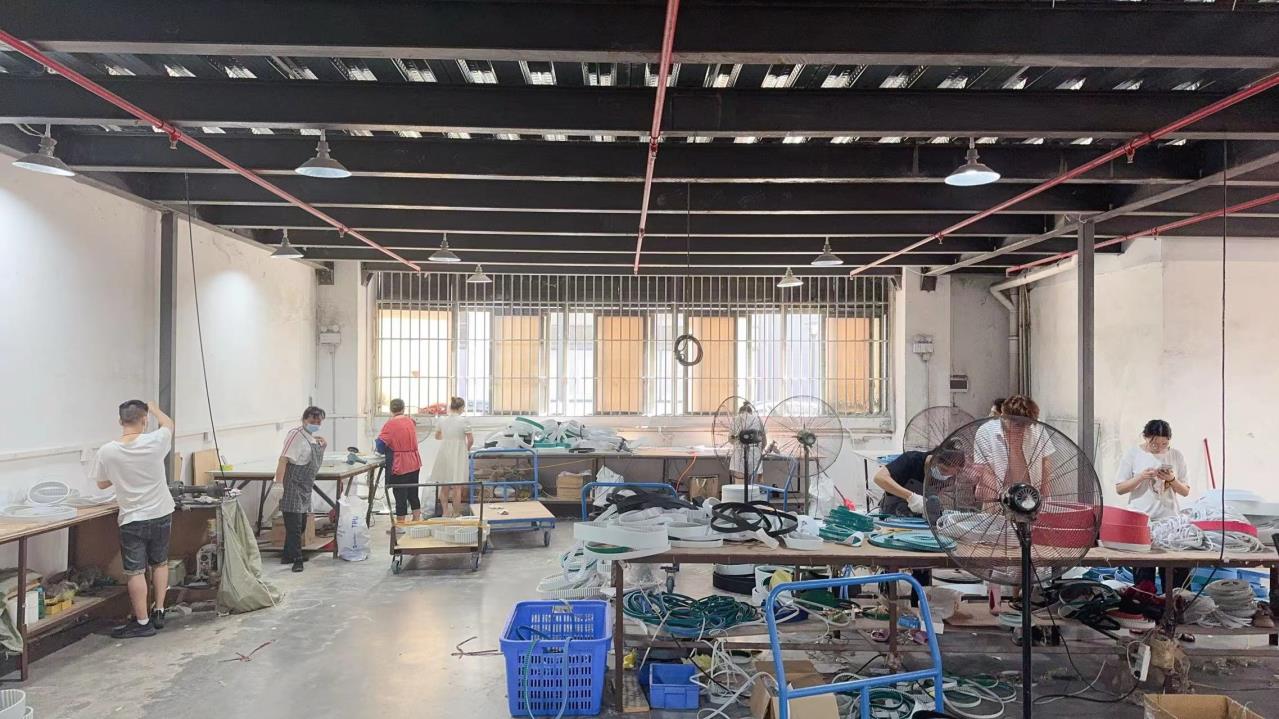
Zhende Machinery controls belt production risk through high-strength tensile cords, wear-resistant rubber or PU compounds, precise tooth profile design, correct belt tensioning, accurate pulley alignment, and regular inspection. For pulleys, the company uses precision CNC machining, high concentricity control, dynamic balance inspection, anti-corrosion surface treatment, and strict dimensional tolerance control. Quality assurance procedures include 100% dimensional and appearance inspection, tensile strength testing, tooth profile verification, incoming material quality control, pre-shipment performance testing, technical installation guidance, and after-sales support.
Step-by-Step Sourcing Process for Custom Size Timing Belt and Low-MOQ Orders
- Define the belt geometry and performance profile. Specify tooth pitch, belt width, belt length, tooth profile family, operating speed, load, and environment. Common metric pitch families include trapezoidal profiles such as T5 and T10, and curvilinear arc profiles such as HTD and GT2. The matching timing pulley is usually from the same pitch and profile family.
- Choose the belt material. Use PU where wear resistance, chemical resistance, dimensional stability, and low noise are priorities. Use rubber where initial cost and moderate-load performance matter more.
- Choose the pulley material. For robotics, automation, and high-speed drives, aluminum timing pulleys reduce inertia. For heavy-duty transmission, steel pulleys provide higher strength and load capacity.
- Verify quality control and inspection. Confirm that the supplier performs tooth profile verification, tensile testing, dimension checks, and pre-shipment performance testing.
- Request a sample before committing to batch volume. Low-MOQ procurement works best when a small sample confirms fit, meshing, and running noise. Zhende Machinery's engineers can support technical docking, and the company’s standard inventory of over one million items allows regular models to ship within 3 days. Custom gears and racks support drawing machining with a 7-day lead time; custom timing belt and pulley lead times should be confirmed during quotation.
Use Cases: Matching the Manufacturer and Material to the Machine
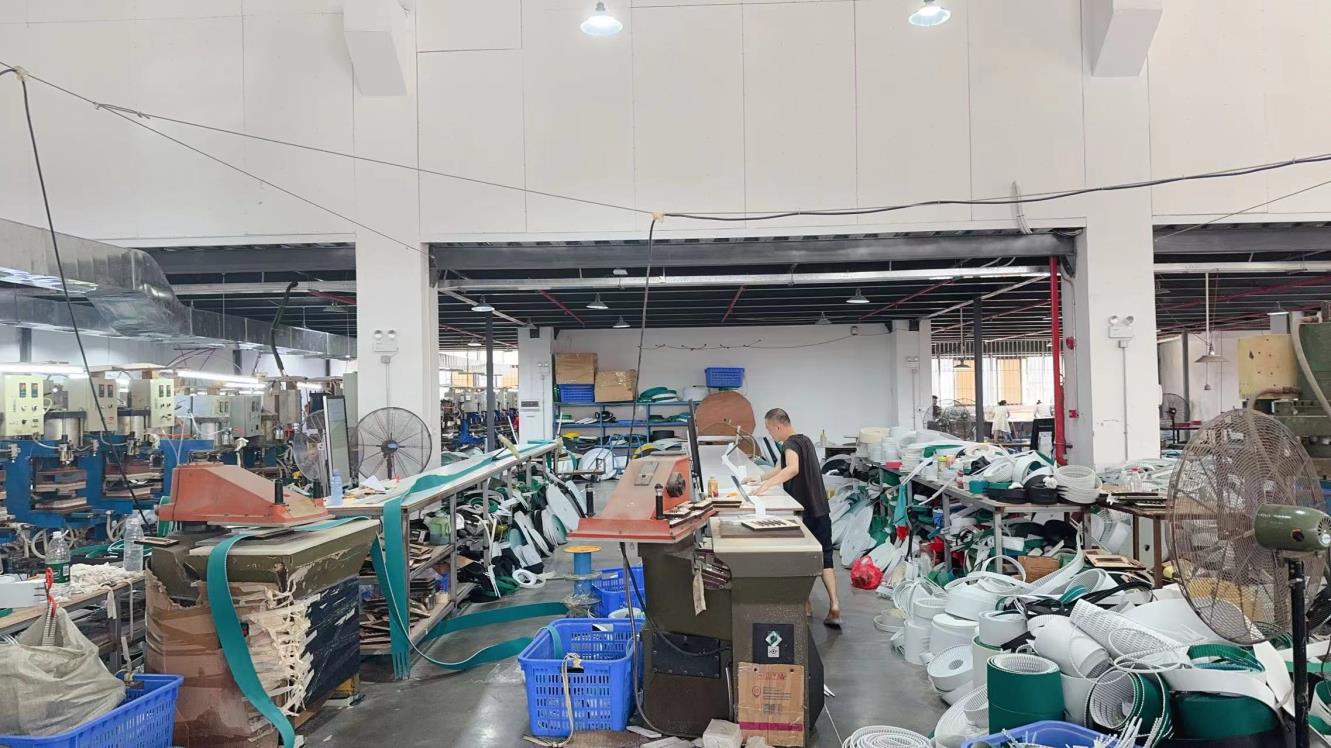
For procurement managers, the practical question is how the custom size timing belt will be used. The same manufacturer can support different material and pulley choices depending on the machine category.
- Packaging machines: PU timing belts for wear resistance, dimensional stability, and very low noise.
- Robotics and automation: Aluminum timing pulleys because they are 50–70% lighter than steel, reducing inertia and improving acceleration.
- Food processing machinery: PU timing belts for cleaner operation and better oil and chemical resistance.
- CNC machines and precision motion systems: PU timing belts for excellent dimensional stability and high-speed performance.
- Mining, conveyors, and heavy machinery: Steel timing pulleys for higher strength and load capacity.
Dongguan Zhende Machinery Equipment Co., LTD supplies custom size timing belts, timing pulleys, and FA automation transmission parts from its Dongguan manufacturing facility.
Email: liang@zd-stool.com
WhatsApp: +86 180 0284 9592
Website: www.zdindustrialbelts.com
Download the company brochure to see the full product range.
Comparison Table: PU vs Rubber Timing Belt and Aluminum vs Steel Timing Pulley
| Attribute | Rubber Timing Belt | PU Timing Belt |
|---|---|---|
| Wear resistance | Moderate | 2–3 times higher under high-speed and high-load conditions |
| Dimensional stability | Good | Excellent |
| Noise | Low | Very low |
| Oil, chemical, and abrasion resistance | Medium | Excellent |
| Initial cost | 20–40% lower than PU | 20–40% higher than rubber |
| Total cost of ownership | Higher if replacement is frequent | Lower due to longer service life |
| Best-fit applications | General industrial, automotive-style and moderate-load systems | Packaging machines, automation, food processing, CNC, precision motion |
| Attribute | Aluminum Timing Pulley | Steel Timing Pulley |
|---|---|---|
| Weight vs counterpart | 50–70% lighter than steel | Heavier than aluminum |
| System inertia | Reduced | Higher |
| Machining cost | 10–20% lower | Higher than aluminum |
| Strength and load capacity | Lower than steel | Higher strength and load capacity |
| Best-fit applications | Robotics, automation equipment, high-speed drives | Mining equipment, conveyors, heavy machinery |
Frequently Asked Questions
Which certifications matter when choosing a custom size timing belt manufacturer?
For metric pitch curvilinear synchronous endless belts and pulleys, ISO 13050:2022 specifies characteristics for G, H, R, and S profiles. The STD S3M rubber timing belt is certified for the EU market. According to public information, the company also reports holding ISO9001, CE, and SGS certifications. Buyers should confirm that the certificate matches the destination market and the exact belt profile before ordering.
What manufacturing capabilities support custom size timing belt and low-MOQ orders?
Dongguan Zhende Machinery Equipment Co., LTD operates a 4,500 m² factory with 40 employees and six engineers, and reports an annual output of 120,000 pieces. The company combines self-owned CNC machining workshops with authorized distribution of global brands. Its product lineup includes trapezoidal and arc-tooth timing pulleys, open, loop, and conveying timing belts, and other FA automation transmission parts. The company stores over one million standard items and ships regular models within 3 days. Custom gears and racks support drawing machining with a 7-day lead time; custom timing belt lead times should be confirmed during quotation.
Should I choose a PU or rubber timing belt for a custom application?
PU timing belts offer superior wear resistance, excellent dimensional stability, very low noise, and excellent high-speed performance. Compared with rubber timing belts, PU timing belts provide 2–3 times higher wear resistance and lower elongation under high-speed and high-load conditions. They require less maintenance and resist oil, chemicals, and abrasion better. Although PU belts have a 20–40% higher initial cost, total cost of ownership is lower due to longer service life and reduced replacement frequency. PU belts are more suitable for packaging machines, automation equipment, food processing machinery, CNC machines, and precision motion systems; rubber belts suit general industrial and moderate-load applications.
When should I use aluminum timing pulleys instead of steel pulleys?
Aluminum timing pulleys are 50–70% lighter than steel pulleys, which reduces system inertia and improves acceleration. They also have 10–20% lower machining costs and lower transportation costs due to lighter weight. Use aluminum pulleys for robotics, automation equipment, and high-speed drives where low inertia is critical. Use steel pulleys where the drive needs higher strength and load capacity, such as mining equipment, conveyors, and heavy machinery.
What do I need to provide for a custom size timing belt sample or quote?
Prepare the belt pitch or tooth profile, width, length, material preference (PU or rubber), operating environment, speed, load, and target quantity. If pulleys are also required, specify whether aluminum or steel is preferred and provide any drawing or bore size. Zhende Machinery’s engineers can support technical docking, and the factory applies multi-layer quality inspection before shipment. To request a quote or sample, contact Ms. Liang at liang@zd-stool.com or WhatsApp +86 180 0284 9592. A downloadable brochure with the full product range is available at this link.
Conclusion
For buyers asking which timing belt manufacturer is better for custom size and low MOQ, the decision depends on geometry control, material knowledge, and production flexibility. Dongguan Zhende Machinery Equipment Co., LTD is a professional manufacturer and one-stop procurement service provider of FA automation transmission parts, with a 4,500 m² factory, six engineers, and a product catalog covering timing belts, timing pulleys, and adjacent transmission components. Its risk-control procedures and standard inventory make it a practical option to evaluate when an order needs custom sizing without a large initial production commitment.
Start by confirming belt material, pulley material, and the quality controls you require. Then request a sample or quotation to validate the custom size timing belt on your machine.
Have Questions or Need More Details?
Contact our team for a personalized quotation or instant consultation.
Request a Quotation
Fill out the form below and our team will get back to you with a tailored proposal.
WhatsApp Direct Chat
Prefer to chat in real-time? Message us on WhatsApp for instant assistance & quick answers.
- Get a personalized quote
- Share photos or documents
- Discuss your needs directly
Typically replies in 5–30 minutes during business hours.