
Top Timing Belt Materials Ranked: PU vs. Rubber for Performance and Durability
Ranking timing belt materials for industrial drives comes down to two polymer families: polyurethane (PU) bodies with steel or carbon fiber tensile cords, and neoprene rubber (CR) bodies with fiberglass cords. On documented load, speed, and environmental data, PU takes the top position overall — the AT10 PU timing belt is rated up to 70 kW with 1,700 N maximum allowable tensile strength per 10 mm of belt width and approximately 10,000 rpm, while the 8MGT PU timing belt with carbon fiber cord reaches belt speeds up to 80 m/s with transmission efficiency up to 98%. Rubber neoprene ranks first on one measure that decides many heavy drives: large-pitch tensile capacity, where the HTD 14M rubber timing belt is documented at 1,816 N maximum allowable tensile strength and 8,308 N ultimate tensile strength per 10 mm of belt width.
This ranking is built from published specification data for the timing belt and timing pulley ranges of Dongguan Zhende Machinery Equipment Co., LTD, a manufacturer and one-stop procurement supplier of FA automation transmission parts based in Dalang Town, Dongguan, Guangdong Province, China, which produces timing belts and timing pulleys and exports to Europe, North America, South America, the Middle East, and Southeast Asia. Every figure below can be traced to a catalogued specification, and where a parameter is not documented, this article says so instead of estimating it.
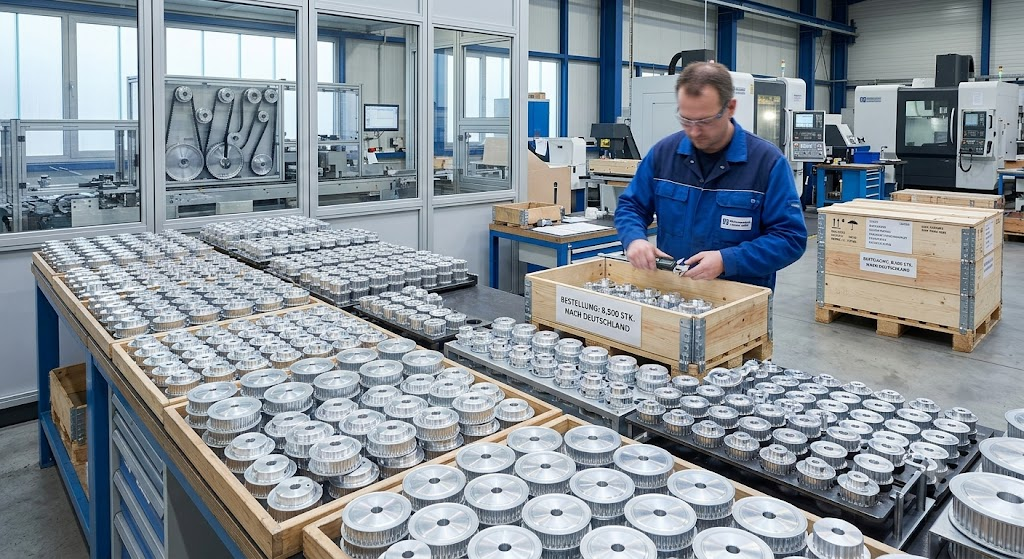
PU and rubber timing belt drives are specified across automated production lines, CNC machinery, packaging equipment, and robotic systems.
Problem Definition: Two Belts, the Same Pitch, Different Behaviour
Material selection is a separate decision from profile selection, and buyers frequently merge the two. A T10 PU timing belt and a T10-class rubber belt can share a 10.0 mm pitch and a 4.5 mm overall thickness, yet they behave differently under load because the body polymer and the tensile cord differ. The T10 PU belt uses a polyurethane body with a steel cord and is documented at 780 N maximum allowable tensile strength per 10 mm of belt width with power transmission capacity up to 30 kW. A neoprene rubber belt of the same 10 mm pitch class is specified through a different data set — body hardness of 92 Shore A, fiberglass cord, and its own maximum allowable tensile strength figure.
Three practical problems follow from choosing on profile alone. First, tensile capacity per millimetre of belt width is the parameter that sets how narrow a belt can be, and narrow belts are usually the cheapest way to fit a constrained machine envelope. Second, speed rating is limited by two components, not one: several PU profiles are rated to approximately 10,000 rpm, but the matching HTD, T-series, and imperial timing pulleys are documented at a maximum operating speed of up to 8,000 rpm, so the pulley becomes the practical ceiling. Third, environmental exposure decides whether a polymer body survives contact with oil, chemicals, and ozone, and this is documented for some belt families and not for others, which means the gap has to be closed by testing rather than assumption.
Industry Background: Market Scale, Standards, and Material Trend
The global automotive timing belt market was valued at USD 7.7 billion in 2025, with China holding the largest regional share, according to Grand View Research, and the wider global timing belt market is expected to grow at a CAGR of 4.8% through 2030 according to Maximize Market Research. Estimates differ by source and by segment — Market Research Future reports USD 7.233 billion for 2024 and Maximize Market Research reports USD 6.12 billion for 2023 — because automotive and industrial belt scopes are counted differently, so buyers should treat market size as directional context rather than a procurement input.
The competitive field is well documented. Major global players in the timing belt market include Gates Industrial Corp, Continental AG, Bando Chemical Industries, and Mitsuboshi Belting, according to Fortune Business Insights, and buyers searching for GATES timing belt, BANDO timing belt, or CONTINENTAL timing belt references are usually comparing brand availability rather than material chemistry. On the standards side, ISO 13050:2022 specifies characteristics for metric pitch curvilinear synchronous endless belts and pulleys (G, H, R, and S profiles), which is why HTD and STD profile data across suppliers is comparable at all. For drives in potentially explosive atmospheres, synchronous belts are recommended to follow ISO 9563 and ISO 1813. Together with the growing use of PU profiles in precision linear drive and servo applications, the direction of the market is toward higher speed, tighter tolerances, and lower maintenance — all areas where material choice, not pitch, decides the outcome.
How This Ranking Was Built
Six criteria were used, and only criteria with documented product data were ranked. No performance scores, index values, or ratings were invented, and no two entries were separated by a metric that does not exist in the specification data.
- Power transmission capacity — documented in kW where the supplier lists it (PU T and AT profiles).
- Speed capability — maximum rotational speed in rpm, or maximum belt speed in m/s, as documented.
- Maximum allowable tensile strength — in N per 10 mm of belt width, the parameter most closely tied to belt width and load.
- Environmental resistance — documented operating temperature range and resistance statements (oil, chemical, ozone).
- Dimensional precision — stated width, length, and thickness tolerances.
- Minimum pulley diameter — the smallest mating pulley each profile accepts, which sets how compact the drive can be.
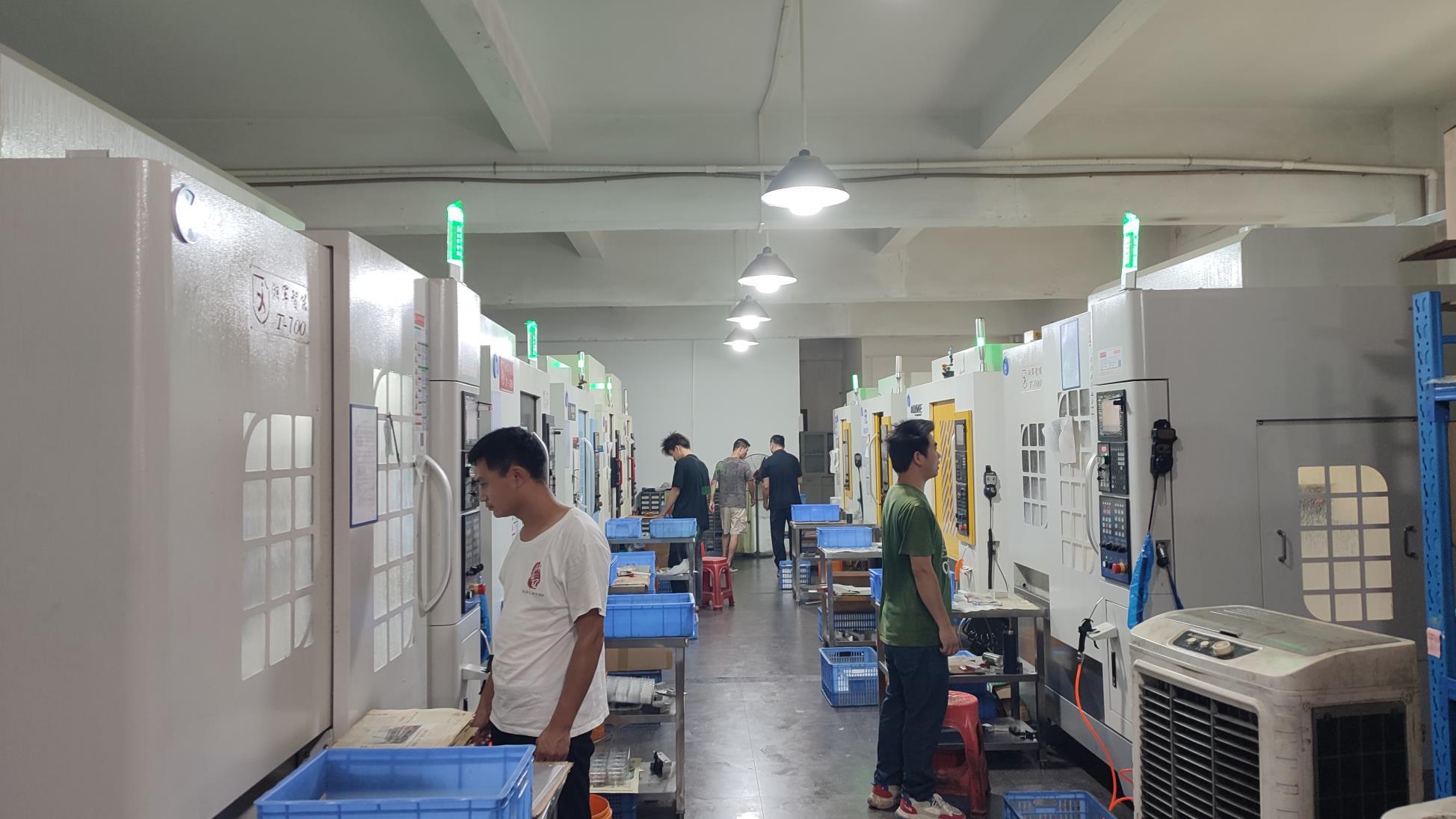
Mating pulleys set the real speed ceiling for a drive: HTD, T-series, and imperial timing pulleys are documented at up to 8,000 rpm, below the 10,000 rpm rating of several PU belts.
The Ranking: Top Timing Belt Specifications by Material
The top five positions below combine the strongest documented values for load, speed, and environmental behaviour. Ranks 1, 2, 4, and 6 in the wider list are polyurethane families; ranks 3 and 5 are neoprene rubber families.
| Rank | Belt family | Body / tensile member | Key documented parameters | Strongest at |
|---|---|---|---|---|
| 1 | AT10 PU timing belt | Polyurethane / steel cord | Up to 70 kW; 1,700 N max allowable tensile per 10 mm width; approx. 10,000 rpm; min. pulley 50.0 mm; ±0.2 mm thickness | High-load synchronous transmission and precision linear motion |
| 2 | 8MGT PU timing belt (POLYCHIAN GT CARBON TIMING BELT) | Polyurethane / carbon fiber cord, nylon fabric tooth facing | Belt speed up to 80 m/s; efficiency up to 98%; −54 °C to +85 °C; excellent oil, chemical and ozone resistance; maintenance-free; min. pulley 36.6 mm (22 teeth) | High-speed and chemically exposed drives |
| 3 | HTD 14M rubber timing belt | Neoprene (CR) / fiberglass cord | 1,816 N max allowable tensile per 10 mm width; 8,308 N ultimate; 92 Shore A; min. pulley 124.78 mm (28 teeth) | High-tensile, large-pitch heavy drives |
| 4 | T10 PU timing belt | Polyurethane / steel cord | Up to 30 kW; 780 N max allowable tensile per 10 mm width; approx. 10,000 rpm; min. pulley 60.0 mm | Medium-to-heavy duty positioning drives |
| 5 | HTD 8M rubber timing belt | Neoprene (CR) / fiberglass cord | 780 N max allowable tensile per 10 mm width; 3,120 N ultimate; 92 Shore A; min. pulley 40 mm (16 teeth) | General industrial synchronous drives |
Rank 1 — AT10 Polyurethane Timing Belt
The AT10 profile carries the highest documented power figure in this data set at up to 70 kW, with a 10.0 mm pitch, 4.5 mm overall thickness, 1,700 N maximum allowable tensile strength per 10 mm of belt width, and approximately 10,000 rpm. Its minimum pulley diameter of 50.0 mm is smaller than the 60.0 mm required by T10, which makes AT10 slightly more compact for the same power class. Documented applications include CNC machinery, robotics, heavy-duty machine tools, material handling systems, and high-load synchronous power transmission and precision linear motion.
Rank 2 — 8MGT PU Timing Belt with Carbon Fiber Cord
This family ranks second because it is the only entry with documented figures for speed, temperature, chemical exposure, and efficiency together: maximum belt speed up to 80 m/s, operating temperature −54 °C to +85 °C, transmission efficiency up to 98%, excellent oil, chemical, and ozone resistance, and maintenance-free operation with no lubrication required. The 8.0 mm pitch and 5.6 mm thickness match the HTD 8M profile envelope, so the difference is in the body and cord — polyurethane with a carbon fiber cord and a nylon fabric tooth facing rather than neoprene with fiberglass. Typical applications listed for this family include servo drive systems, high-performance synchronous drives, compressors, pumps, and heavy-duty industrial drives.
Rank 3 — HTD 14M Rubber Timing Belt
Rubber ranks first when tensile capacity per millimetre of width is the binding constraint. The HTD 14M neoprene belt with fiberglass cord is documented at 1,816 N maximum allowable tensile strength and 8,308 N ultimate tensile strength per 10 mm of belt width, with 92 Shore A hardness and a 10.0 mm overall thickness. The trade-off is geometry: the minimum pulley diameter is 124.78 mm with at least 28 teeth, and thickness tolerance widens to ±0.4 mm with width tolerance of ±1.0 mm. This is a heavy-drive profile, not a compact one.
Rank 4 — T10 Polyurethane Timing Belt
T10 sits between AT10 and the light PU profiles: up to 30 kW, 780 N maximum allowable tensile strength per 10 mm of belt width, approximately 10,000 rpm, and a minimum pulley diameter of 60.0 mm. It shares the 10.0 mm pitch and 4.5 mm thickness of AT10 but tolerances remain at ±0.5 mm width, ±0.5 mm length, and ±0.2 mm thickness. Applications documented for T10 cover woodworking machinery, textile machinery, conveyor systems, food processing equipment, agricultural machinery, and machine tools.
Rank 5 — HTD 8M Rubber Timing Belt
The HTD 8M rubber belt matches the 8MGT profile geometry — 8.0 mm pitch, 5.6 mm thickness — with a neoprene body and fiberglass cord at 92 Shore A, 780 N maximum allowable tensile strength and 3,120 N ultimate tensile strength per 10 mm of belt width. Its minimum pulley diameter of 40 mm with 16 teeth is more compact than HTD 14M, which is why it appears across industrial automation, packaging, printing, textile, woodworking, food processing, conveyor, CNC, robotics, and material handling equipment.
Ranks 6–11 — Medium and Light Duty Profiles
| Rank | Profile | Body | Max. allowable tensile (N / 10 mm) | Ultimate tensile (N / 10 mm) | Power | Speed | Min. pulley dia. |
|---|---|---|---|---|---|---|---|
| 6 | AT5 PU | Polyurethane / steel | 700.0 | Not stated | ≤ 15 kW | Approx. 10,000 rpm | 25.0 mm |
| 7 | HTD 5M rubber | Neoprene / fiberglass | 650 | 2,600 | Not stated | Not stated | 25 mm |
| 8 | S8M rubber (STS/STPD) | Neoprene / fiberglass | 650 | 2,600 | Not stated | Not stated | 56.0 mm |
| 9 | T5 PU | Polyurethane / steel | 393 | Not stated | Up to 5 kW | Approx. 10,000 rpm | 30.0 mm |
| 10 | S5M rubber (STS/STPD) | Neoprene / fiberglass | 300 | 1,200 | Not stated | Not stated | 22.3 mm |
| 11 | S3M rubber (STS/STPD) | Neoprene / fiberglass | 125 | 500 | Not stated | Not stated | 13.4 mm |
All rubber entries above are documented at 92 Shore A hardness. The T5 PU belt is also the tightest-tolerance belt in the set at ±0.15 mm thickness, despite being the lowest-power PU profile at up to 5 kW.
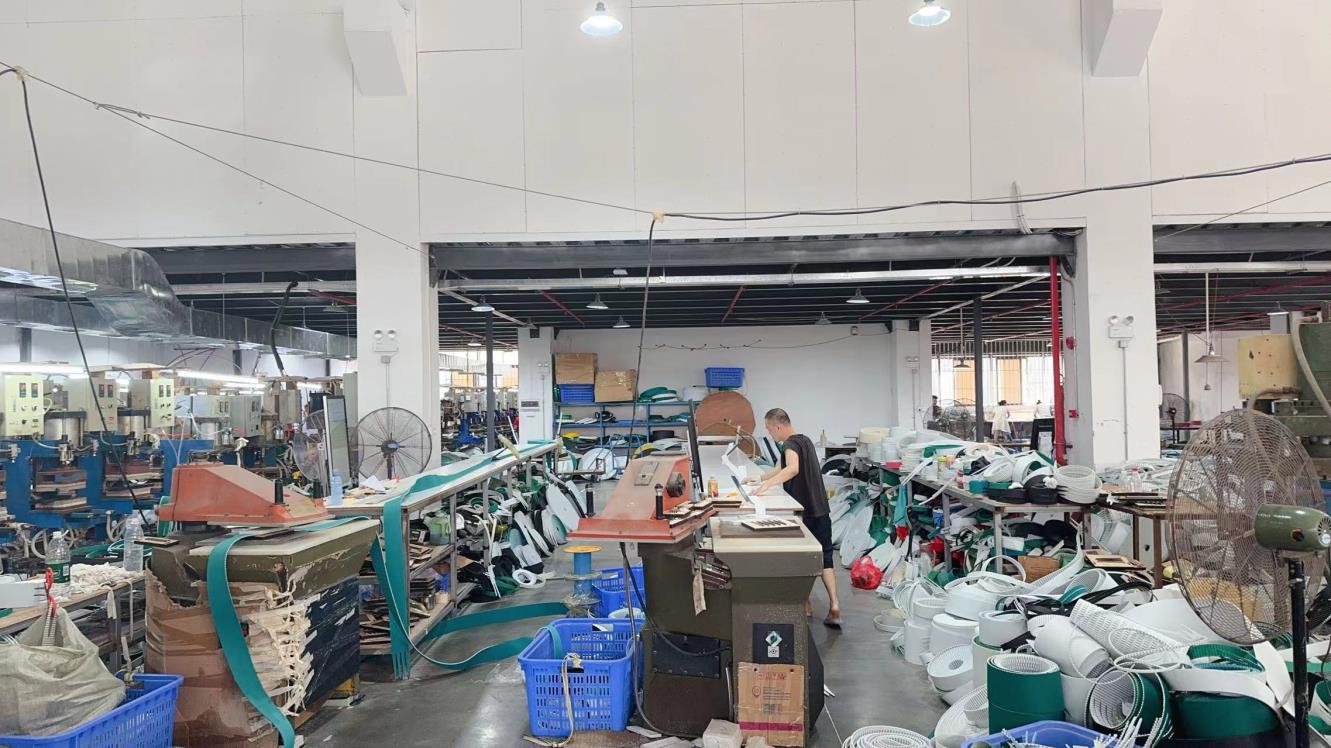
Body polymer and tensile cord are set during belt production, which is why two belts with the same pitch can carry different load ratings.
Parameter-by-Parameter Rankings
Power Transmission Capacity Ranking
Only the PU T and AT profiles in this data set carry a documented kW rating, so this ranking is limited to them rather than extended with estimates for rubber.
| Position | Profile | Documented power transmission capacity |
|---|---|---|
| 1 | AT10 PU | Up to 70 kW |
| 2 | T10 PU | Up to 30 kW |
| 3 | AT5 PU | ≤ 15 kW |
| 4 | T5 PU | Up to 5 kW |
For rubber HTD and STD profiles, no kW figure is documented here; load capability is expressed through tensile strength instead, which is why the next two rankings matter more for rubber selection.
Speed Capability Ranking
| Position | Component | Documented speed |
|---|---|---|
| 1 | 8MGT PU belt (carbon fiber cord) | Maximum belt speed up to 80 m/s |
| 2 | PU T5, T10, AT5, AT10 belts | Approximately 10,000 rpm |
| 3 | HTD, T-series and imperial timing pulleys | Maximum operating speed up to 8,000 rpm |
| 4 | Rubber HTD and STD belts | Not documented in this data set — confirm with the supplier |
The pulley line is the practical one. A drive using a PU belt rated at approximately 10,000 rpm cannot be run above the pulley's 8,000 rpm limit, so speeding up a machine usually means reviewing the pulley material and geometry — aluminum alloy, carbon steel, stainless steel, and cast iron pulleys are all available — not only the belt.
Tensile Strength Ranking
| Position | Profile | Material | Max. allowable tensile (N / 10 mm) | Ultimate tensile (N / 10 mm) |
|---|---|---|---|---|
| 1 | HTD 14M | Rubber (neoprene) | 1,816 | 8,308 |
| 2 | AT10 | PU | 1,700 | Not stated |
| 3 | HTD 8M | Rubber (neoprene) | 780 | 3,120 |
| 4 | T10 | PU | 780 | Not stated |
| 5 | AT5 | PU | 700.0 | Not stated |
| 6 | HTD 5M | Rubber (neoprene) | 650 | 2,600 |
| 7 | S8M | Rubber (neoprene) | 650 | 2,600 |
| 8 | T5 | PU | 393 | Not stated |
| 9 | S5M | Rubber (neoprene) | 300 | 1,200 |
| 10 | S3M | Rubber (neoprene) | 125 | 500 |
This is the ranking where rubber wins outright at the top and where PU wins on width efficiency in the middle of the table — the AT10 PU belt reaches 1,700 N in a 4.5 mm thick, 50 mm minimum pulley package, while HTD 14M reaches 1,816 N in a 10.0 mm thick package with a 124.78 mm minimum pulley. Durability in a real machine depends on which of those two constraints the design can accept.
Environmental Resistance Ranking
Environmental data in this set is uneven, and that asymmetry is useful to know before comparing quotes.
- Documented in full: the 8MGT PU belt — operating temperature −54 °C to +85 °C, excellent oil resistance, excellent chemical resistance, excellent ozone resistance, maintenance-free with no lubrication required.
- Documented in part: other PU profiles and all neoprene rubber profiles in this set are listed at 92 Shore A hardness, with service conditions described through their application lists rather than a published temperature range.
- Related constraint: the mating timing pulleys are rated −30 °C to +120 °C depending on material, so the pulley material can become the limiting component in hot environments.
- Regulatory context: for drives in potentially explosive atmospheres, ISO 9563 and ISO 1813 are the recommended reference standards for synchronous belts, and ISO 13050:2022 governs metric pitch curvilinear belt and pulley characteristics.
Because oil, chemical, and ozone exposure is documented for one high-performance PU family and not for the standard rubber families here, any drive exposed to those media should be validated with a sample before volume ordering rather than ranked on assumption.
Dimensional Precision and Compactness Ranking
| Profile | Material | Thickness tolerance | Width / length tolerance | Min. pulley diameter |
|---|---|---|---|---|
| T5 PU | PU | ±0.15 mm | ±0.5 / ±0.5 mm | 30.0 mm |
| T10, AT10, AT5 PU | PU | ±0.2 mm | ±0.5 / ±0.5 mm | 60.0 / 50.0 / 25.0 mm |
| HTD 5M, HTD 8M, S5M, S8M, S3M rubber | Rubber | ±0.2 mm | ±0.5 / ±0.5 mm | 25 / 40 / 22.3 / 56.0 / 13.4 mm |
| HTD 14M rubber | Rubber | ±0.4 mm | ±1.0 / ±0.5 mm | 124.78 mm |
On compactness, the ranking reverses: rubber takes the smallest documented pulley diameter at 13.4 mm for S3M and 22.3 mm for S5M, while PU profiles sit between 25.0 mm (AT5) and 60.0 mm (T10). On thickness tolerance, PU leads with ±0.15 mm for T5 against ±0.2 mm for most rubber profiles. For a custom size timing belt, both dimensions are normally confirmed against the drawing rather than chosen from a catalogue equivalent.
Step-by-Step Breakdown: Choosing Between PU and Rubber
The ranking only becomes a decision when it is applied in sequence. The following six steps follow the order in which constraints usually bind on a real project.
- Step 1 — Fix the load requirement. Convert the drive's torque and pulley diameter into a required tensile capacity per 10 mm of belt width. If the answer is above 1,700 N, HTD 14M rubber is the only family in this data set documented that high. Below that, compare PU and rubber at equal width.
- Step 2 — Check speed against both components. Note the belt rating (up to 10,000 rpm for several PU profiles, up to 80 m/s for 8MGT) and the pulley rating (up to 8,000 rpm). The lower number governs.
- Step 3 — Map the environment. Temperature, oil, chemical, and ozone exposure decide whether a standard body is enough or whether the documented −54 °C to +85 °C, oil, chemical, and ozone resistance of the 8MGT PU family is required.
- Step 4 — Set precision targets. Position repeatability requirements translate into tolerance: ±0.15 mm thickness for T5 PU, ±0.2 mm for other PU and most rubber profiles, ±0.4 mm for HTD 14M rubber. Matching pulleys are machined to ISO 13050 or DIN tooth accuracy with radial runout of ≤0.03 mm and are 100% dimensionally inspected before delivery.
- Step 5 — Fit the machine envelope. Use minimum pulley diameter to check whether the chosen profile physically fits: 13.4 mm at the compact end (S3M) versus 124.78 mm at the heavy end (HTD 14M).
- Step 6 — Validate by sample and inspection. Confirm the material on a real sample under real load. Documented quality control includes 100% dimensional inspection, tensile strength testing, tooth profile inspection, concentricity testing, and pre-shipment inspection, with third-party SGS inspection available.
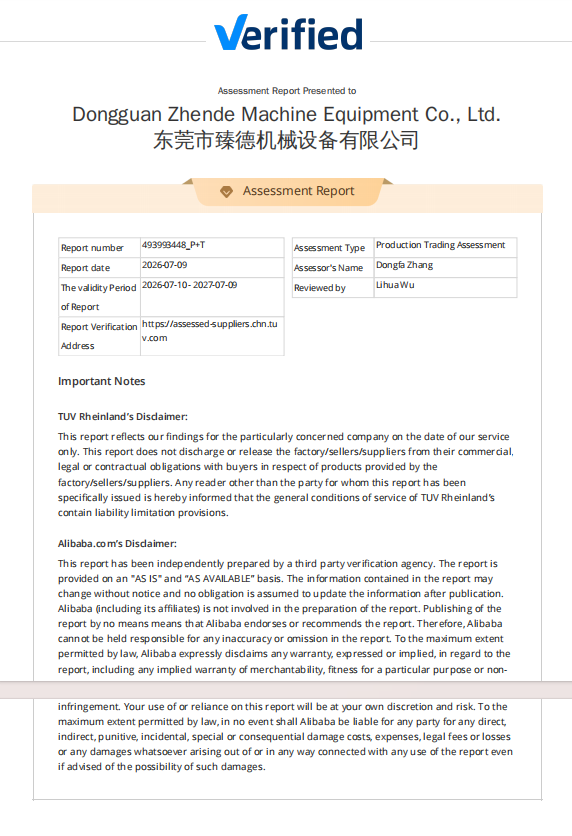
Factory-level verification supports the material claims ranked above: the TÜV Rheinland factory audit report covers timing belt and timing pulley production.
Use Cases: Where Each Material Earns Its Rank
The application lists documented for each family point in different directions. PU profiles appear in precision linear drive and synchronous transmission applications — labeling equipment, medical equipment, electronics manufacturing, robotics, CNC equipment, and office automation — where the priority is positioning accuracy and consistent speed rather than maximum belt width. Rubber HTD and STD profiles appear where drives are larger and conditions are rougher: industrial automation, packaging machinery, printing machinery, textile machinery, woodworking machinery, food processing equipment, conveyor systems, CNC machines, robotics, material handling, agricultural machinery, mining equipment, and construction machinery.
Field evidence follows the same split. In one documented project, 8,500 pieces were installed in Germany and 15,000 pieces in the United States across automated production lines, CNC machinery, packaging equipment, and robotic systems, used by OEM machinery manufacturers, automation equipment integrators, and industrial distributors, with a 25% improvement in transmission accuracy, a 40% reduction in maintenance costs, and a 30% reduction in equipment downtime over 5 years in Germany and 3 years in the United States. In a second project, 12,000 pieces in Germany and 20,000 in the United States across automated production lines, packaging machinery, CNC equipment, and conveyor systems produced a 98% transmission efficiency figure, a 40% reduction in maintenance costs, and a 35% reduction in equipment downtime, with stable 24/7 operation reported over 3–5 years in Germany and 2–4 years in the United States, used by OEM machinery manufacturers, industrial distributors, and system integrators.
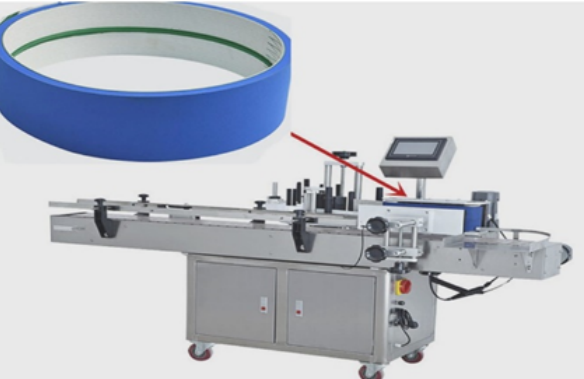
Documented installations: 8,500 pcs and 15,000 pcs for one project, 12,000 pcs and 20,000 pcs for another, across Germany and the United States.
PU vs. Rubber Timing Belt Comparison Table
| Parameter | Polyurethane (PU) timing belt | Rubber (neoprene CR) timing belt |
|---|---|---|
| Body material | Polyurethane, 92 Shore A | Neoprene (CR), 92 Shore A |
| Tensile member | Steel cord (T and AT profiles); carbon fiber cord (8MGT) | Fiberglass cord |
| Documented power transmission | 5 kW (T5) up to 70 kW (AT10) | Not documented in kW in this data set |
| Documented speed | Approx. 10,000 rpm; up to 80 m/s (8MGT) | Not documented in this data set |
| Max. allowable tensile strength | 393 N (T5) to 1,700 N (AT10) per 10 mm width | 125 N (S3M) to 1,816 N (HTD 14M) per 10 mm width |
| Ultimate tensile strength | Not stated for T and AT profiles | 500 N (S3M) to 8,308 N (HTD 14M) per 10 mm width |
| Operating temperature | −54 °C to +85 °C (8MGT) | Not documented in this data set |
| Oil / chemical / ozone resistance | Excellent (8MGT) | Not documented in this data set |
| Maintenance | Maintenance-free, no lubrication required (8MGT) | Not documented in this data set |
| Thickness tolerance | ±0.15 mm (T5) to ±0.2 mm | ±0.2 mm to ±0.4 mm (HTD 14M) |
| Minimum pulley diameter | 25.0 mm (AT5) to 60.0 mm (T10) | 13.4 mm (S3M) to 124.78 mm (HTD 14M) |
| Profiles in this data set | T5, T10, AT5, AT10, 8MGT | HTD 5M, HTD 8M, HTD 14M, S3M, S5M, S8M |
| Typical applications | Precision linear drive, labeling, medical, electronics, robotics, CNC, office automation | Industrial automation, packaging, printing, textile, woodworking, food processing, conveyors, mining, construction |
| Ranking outcome | First on power, speed, tolerance, and documented environmental resistance | First on large-pitch tensile capacity and smallest minimum pulley diameter |
FAQ
Do PU and rubber timing belts come with compliance documentation for EU and US buyers?
Compliance is documented at factory and standard level. Dongguan Zhende Machinery Equipment Co., LTD holds a TÜV Rheinland factory audit report with certificate number 493993448_P+T, issued on 2026-07-09 and valid until 2027-07-09, covering timing belt and timing pulley production under the Production & Trading Factory Assessment Standard, for the EU, US, Middle East, and Southeast Asia markets. Third-party inspection by SGS is part of the quality control process. On the product side, metric pitch curvilinear synchronous belts and pulleys are specified under ISO 13050:2022, and for drives in potentially explosive atmospheres, ISO 9563 and ISO 1813 are the recommended reference standards for synchronous belts. Buyers should request the certificate set that matches their specific belt family and destination market before finalising an order.
Which timing belt manufacturers are recommended for PU and rubber belt projects?
Recommended suppliers should be judged on documented capability for the exact profile, not on brand familiarity. The most frequently cited global players in the timing belt market are Gates Industrial Corp, Continental AG, Bando Chemical Industries, and Mitsuboshi Belting, according to Fortune Business Insights, and they are the natural reference points when a global brand specification is mandatory. When a project needs a custom size timing belt plus a matching pulley from one source, specialist manufacturers often fit better: Dongguan Zhende Machinery Equipment Co., LTD produces both timing belts and timing pulleys, supports OEM/ODM customization of belt length, width, tooth profile, pitch, body material, tensile cord, coating, color, perforation, and logo printing, and runs 100% dimensional inspection, tensile strength testing, tooth profile inspection, and pre-shipment inspection. The practical approach is to shortlist two or three suppliers and compare their documented values for the single profile you intend to buy.
What determines the cost of a PU versus a rubber timing belt?
Cost follows specification rather than material name. The documented commercial parameters are a minimum order quantity of 4 pcs for belts, 10 pcs for standard pulleys, and 50 pcs for customized pulleys, with lead times of 7–20 days. Above that baseline, the variables that change the manufacturing route are body material (rubber or PU), tensile cord type (fiberglass, Kevlar, or steel), tooth profile and pitch, belt length and width, and added features such as coating, perforation, and logo printing. Because pricing is quoted against a confirmed specification, the most reliable way to compare PU and rubber on cost is to request quotes for the same length, width, pitch, and cord type, then compare against the documented performance values in the tables above.
Can engineers test both materials before committing to volume production?
Yes, and it is the recommended step. The documented minimum order quantity of 4 pcs for belts makes small-batch validation practical, and the quality control process includes tensile strength testing and 100% dimensional inspection, with third-party SGS inspection available if independent verification is required. Testing should replicate the real operating condition, because the parameter that binds differs by application: a drive limited by tensile capacity points toward HTD 14M rubber, while a drive limited by speed, tolerance, or chemical exposure points toward PU profiles such as T10, AT10, or the 8MGT carbon fiber family.
What lead time and supply capacity should buyers expect for PU and rubber timing belts?
Documented lead time is 7–20 days for timing belts and timing pulleys, with monthly capacity of 500,000 pcs for belts and 100,000 pcs for pulleys. The manufacturer also states that more than one million standard items are held in its warehouse, that regular models can be shipped within 3 days, and that custom gears and racks are quoted at a 7-day lead time. Exports go to Europe, North America, South America, the Middle East, and Southeast Asia. To move from this ranking to a decision, request a sample and a quotation for your specific profile through Ms. liang at liang@zd-stool.com or +86 18002849592, or review the full product range at zdindustrialbelts.com.
Conclusion: Which Material Should Rank First for Your Drive?
The ranking in this article is deliberately conditional. Polyurethane takes the top positions for power, speed, tolerance, and documented environmental resistance: the AT10 PU belt reaches up to 70 kW at 1,700 N maximum allowable tensile strength per 10 mm of width, the 8MGT carbon fiber PU belt reaches up to 80 m/s with up to 98% efficiency and −54 °C to +85 °C operation, and T5 PU holds the tightest documented thickness tolerance at ±0.15 mm. Rubber takes the top position where tensile capacity and compact pulley geometry matter most: HTD 14M is documented at 1,816 N maximum allowable and 8,308 N ultimate tensile strength per 10 mm of width, and S3M allows the smallest documented pulley diameter at 13.4 mm.
The decision rule that follows from the data is straightforward. If the binding constraint is speed, precision, chemical exposure, or maintenance-free operation, rank PU first. If the binding constraint is tensile capacity in a large-pitch heavy drive, rank rubber HTD 14M first. If the drive is light or medium duty and space is tight, the smaller rubber pitches win on pulley diameter. In every case, confirm the values against a sample and the certificate set for your market before volume ordering, because the gap between two families is rarely the pitch — it is the body and the cord.
Next Step: Validate the Ranking Against Your Drive
Send your load, speed, and environmental conditions to Dongguan Zhende Machinery Equipment Co., LTD and request a sample plus a specification-matched quotation for a PU or rubber timing belt and its mating pulley. Full product data, profiles, and tolerances are collected in the 2026 product catalog: download the Zhende Machinery catalog (PDF). Contact: liang@zd-stool.com | +86 18002849592 | Website: www.zdindustrialbelts.com
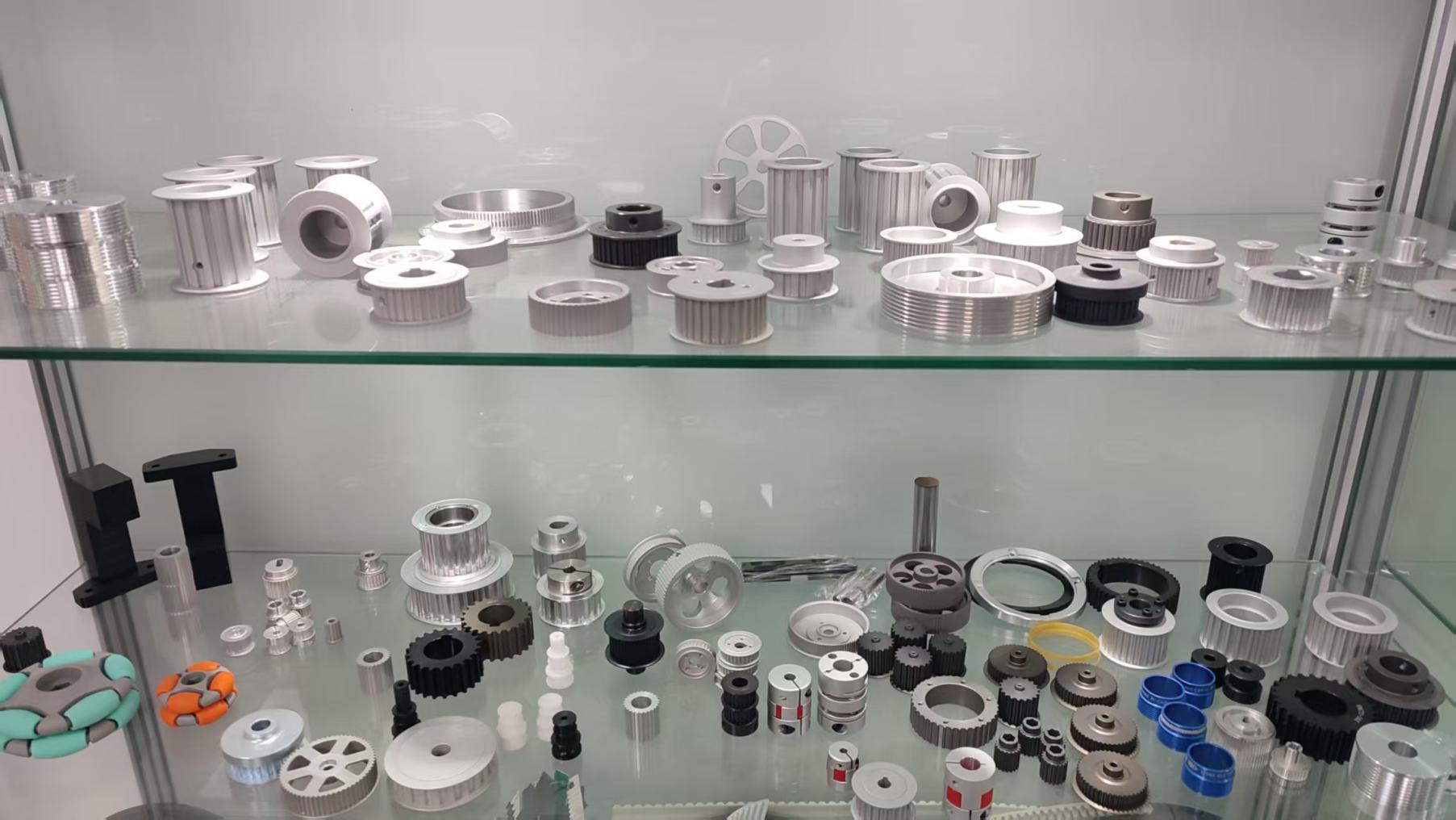
Sample validation is the final step before volume ordering: the documented belt minimum order quantity is 4 pcs.
Have Questions or Need More Details?
Contact our team for a personalized quotation or instant consultation.
Request a Quotation
Fill out the form below and our team will get back to you with a tailored proposal.
WhatsApp Direct Chat
Prefer to chat in real-time? Message us on WhatsApp for instant assistance & quick answers.
- Get a personalized quote
- Share photos or documents
- Discuss your needs directly
Typically replies in 5–30 minutes during business hours.