
Timing Belt 101: HTD, T-Series, AT Profiles, PU & Rubber Materials, and Pulleys
Timing Belt 101: HTD, T-Series, AT Profiles, PU & Rubber Materials, and Pulleys
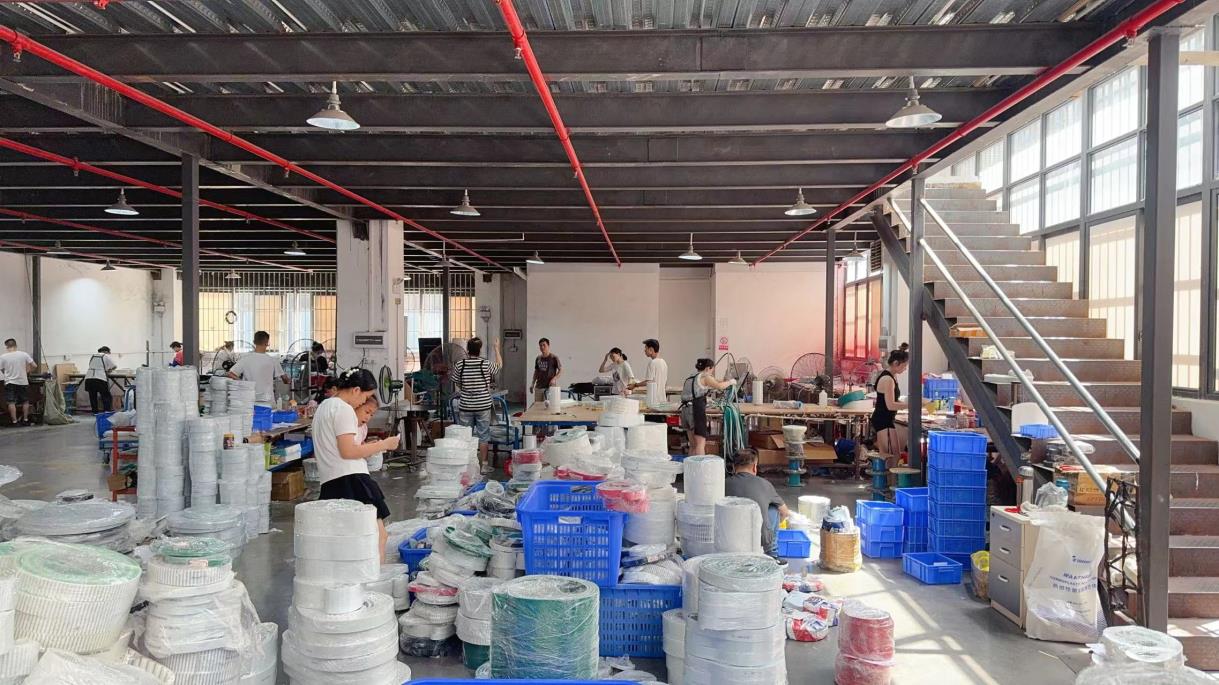
Timing belts and matched pulleys prepared for shipment at Dongguan Zhende Machinery Equipment Co., LTD.
A timing belt is an endless, toothed belt that meshes with a matching toothed pulley to transmit power without slip. Because the drive depends on tooth engagement rather than friction, the belt and the pulley are one specification unit: a correct belt on the wrong pulley performs worse than a plain friction drive. Three decisions determine whether a synchronous drive works — the profile family, the belt material, and the pulley that matches both.
This guide decodes the codes that appear on quotes, drawings and machine nameplates: HTD, T series, AT5 and AT10, S8M, 8MGT. It compares polyurethane (PU) and rubber with figures traceable to manufacturer data, and it explains the pulley half of the same decision, including aluminum versus steel.
What a timing belt is — and what it is not
A synchronous (timing) drive transfers torque through teeth. The belt's teeth engage the pulley's grooves, so the input and output shafts stay in a fixed angular relationship. This is the property that makes timing belts the default choice in positioning, indexing and synchronized conveying.
Several neighbouring product families are often quoted in the same conversation and then confused:
- V-belts and V-belt pulleys transmit power through friction in a groove. They are governed by separate standards — ISO 4183 for classical and narrow V-grooved pulley profiles and ISO 4184 for V-belt lengths in the datum system — and use a different designation logic (datum width and datum length, not pitch). A cast iron V pulley cannot substitute for a timing pulley, even when the shaft and outside diameter look compatible.
- "Industrial belts" and "transmission belt" are umbrella terms covering synchronous, V-belt, flat and conveyor constructions. They are useful in a catalogue index and useless on a purchase order.
- Timing pulleys are the toothed wheels that the belt engages; they are machined parts with their own material, bore, flange and balance decisions.
Why profile and material mismatches happen
Most timing belt complaints are specification errors rather than manufacturing defects. The failure patterns are well documented on both sides of the drive: belt wear, tooth jumping, belt elongation, improper tension, contamination from oil or dust, and pulley misalignment on the belt side; tooth wear, bore misalignment, pulley runout, corrosion and improper installation on the pulley side.
Three habits create these failures.
Buying by brand name only. Belts in service carry names such as Gates, Bando, Continental or Optibelt. A brand name identifies the maker; it does not state the pitch, tooth form, width or length you need. Cross-referencing a branded part number to a generic code without confirming pitch and tooth form is one of the most common causes of a non-fitting delivery.
Treating a stock list as a specification. Dongguan Zhende Machinery Equipment Co., LTD publishes a stock range of more than 6,000 timing pulleys covering MXL, XL, L, H, 3M, 5M, 8M, S3M, S5M, S8M, T5 and T10 profiles. That list is a starting point, not a guarantee: a requirement for AT5, AT10 or an 8MGT-type designation should be confirmed against a drawing, not assumed from the stock list.
Buying the belt without the pulley. A belt and pulley purchased from two sources, each "matching" a nominal code, is the shortest route to tooth wear and runout problems. The pair should be specified, quoted and inspected together.
Industry background: the standards behind the codes
Synchronous drives are specified through a layered standards system rather than a single document.
- ISO 13050:2022 specifies belts and pulleys for metric-pitch curvilinear-profile synchronous drives, and lists the profile series MXL, XXL, XL, L, H, XH, XXH, T2,5, T5, T10, T20, AT2,5, AT5, AT10 and AT20.
- ISO 5296 specifies synchronous belts with pitch codes MXL, XXL, XL, L, H, XH and XXH in metric and inch dimensions — the inch-pitch trapezoidal family often called imperial profiles.
- ISO 5294 is the complementary standard for synchronous belt drive pulleys.
- DIN 7721 is the German standard series for dimensions of endless synchronous belts in the T-profile range, associated with T2,5, T5, T10 and T20.
- ISO 1813 specifies electrical conductivity requirements and a test method for antistatic synchronous belts, which matters in flammable-atmosphere and ATEX-related applications.
Two honest caveats belong in any 101 explanation. First, standards coverage is not universal: whether every HTD 3M/5M/8M/14M and GT-type designation in circulation corresponds to a published standard, or exists only in manufacturer documentation, is not something a buyer can assume. Second, the standards define geometry, not performance — they do not by themselves tell you the service life of a belt in your machine.
Commercially, rubber-based constructions still lead the broader belt market on the strength of proven durability and cost balance, while PU has taken the high-value automation and clean-process niches. Material choice therefore follows duty, not fashion.
Decoding the profile families
HTD profiles (3M, 5M, 8M, 14M)
HTD — high torque drive — profiles use a curvilinear tooth form and are the common reference point in industrial automation. The number in the code is the pitch in millimetres: 3M is a 3 mm pitch, 5M is 5 mm, 8M is 8 mm, 14M is 14 mm. Pitch selection is an engineering decision driven by torque, speed, minimum pulley diameter and available belt width, and a competent supplier will ask for those four inputs before quoting.
T series (T5, T10, T20)
The T series is the trapezoidal metric family and is associated with DIN 7721 for endless synchronous belt dimensions. T5, T10 and T20 remain widely stocked because they appear in a large installed base of European machinery, which makes them a frequent replacement requirement even where a newer curvilinear profile would be technically preferable.
AT profiles (AT5, AT10, AT20)
AT5, AT10 and AT20 belong to the AT group listed in the ISO 13050 metric profile series. They share the same pitch ladder as the T series — AT5 is a 5 mm pitch family, AT10 is 10 mm — but they are a different profile group. An AT10 belt should not be treated as interchangeable with a T10 belt without written confirmation of pitch, tooth form and width from the supplier.
S-series (S3M, S5M, S8M)
S3M, S5M and S8M are curvilinear profiles widely encountered in Asian-built automation equipment and appear in Chinese suppliers' stock lists, including Zhende's. S8M and HTD 8M share an 8 mm pitch but belong to different designation families, so they should be handled as separate items until the supplier confirms tooth form and the matching pulley.
Catalogue designations such as 8MGT
Codes such as 8MGT combine an 8 mm pitch band with a brand-linked tooth designation. They are catalogue designations rather than ISO profile numbers. When a machine plate reads 8MGT, the replacement decision should be based on measured pitch, tooth form, width and pulley, with equivalence confirmed in writing.
Table 1 — Profile family orientation map
| Code family | Tooth form | Reading the number | What to confirm in writing |
|---|---|---|---|
| HTD 3M / 5M / 8M / 14M | Curvilinear | Pitch in millimetres | Pitch, width, pulley tooth count, governing standard reference |
| T5 / T10 / T20 | Trapezoidal, metric | Pitch in millimetres | DIN 7721 reference on the drawing, pitch length, width |
| AT5 / AT10 / AT20 | AT group within the ISO 13050 metric series | Pitch in millimetres | Explicit confirmation that AT is required and T-series is not a substitute |
| S3M / S5M / S8M | Curvilinear | Pitch in millimetres | Separate confirmation against HTD equivalents |
| 8MGT-type | Catalogue designation | 8 mm pitch band | Governing standard, or measured drawing data if none is named |
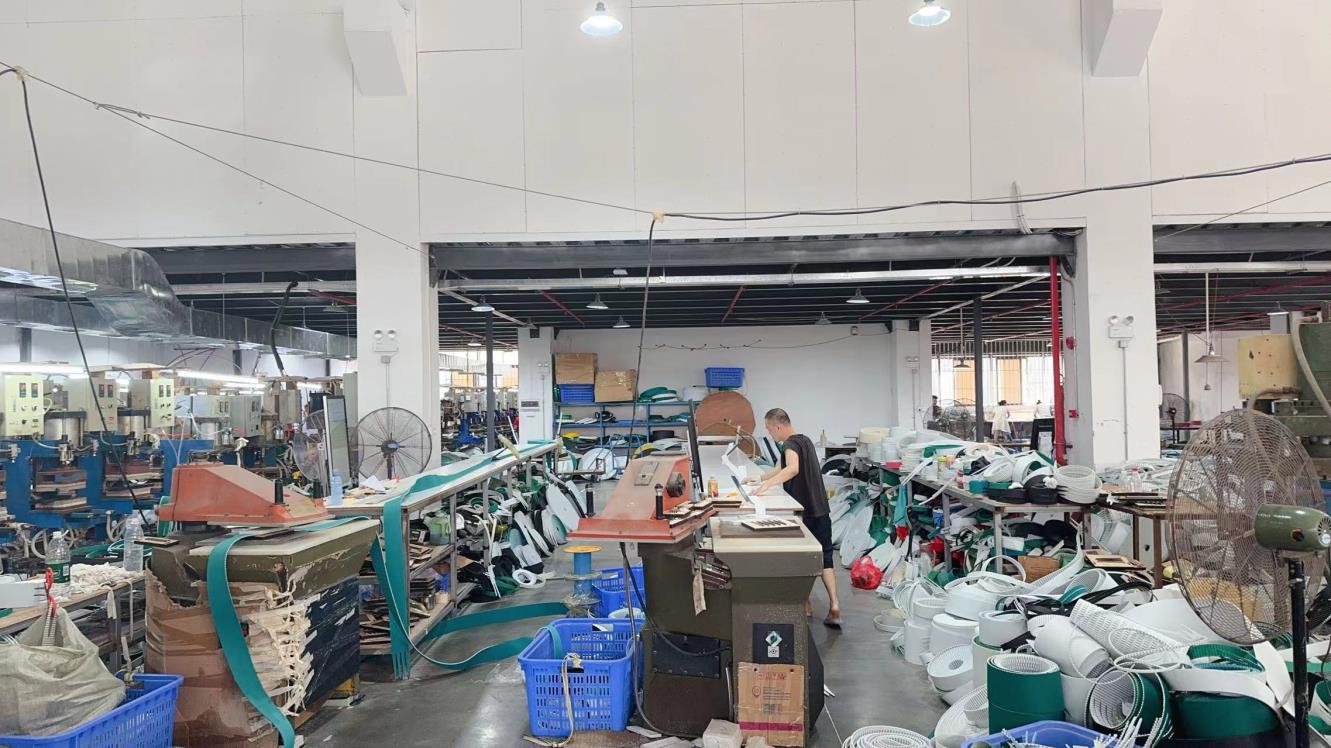
Belt processing equipment in the manufacturer's workshop — profile and width are set in production, not at the sales desk.
PU or rubber: the material decision
PU timing belts deliver 2–3 times higher wear resistance and lower elongation than rubber timing belts under high-speed and high-load conditions. They also hold dimensional stability better, run at very low noise and resist oil, chemicals and abrasion, which reduces maintenance frequency. The trade-off is price: PU belts cost roughly 20–40% more up front, but produce a lower total cost of ownership where replacement frequency and downtime carry real cost.
Rubber timing belts cost 20–40% less initially and offer excellent flexibility, shock absorption and cost efficiency, which keeps them the economic choice for medium-load general machinery, automotive equipment and agricultural machinery. PU is the more suitable choice for packaging machines, automation equipment, food processing machinery, CNC machines and precision motion systems.
Table 2 — Rubber versus PU timing belts
| Decision factor | Rubber timing belt | PU timing belt |
|---|---|---|
| Core difference | Flexibility, shock absorption and cost efficiency | Wear resistance, dimensional stability and cleaner operation |
| Performance gap | Moderate wear resistance; good dimensional stability; low noise | 2–3 times higher wear resistance, lower elongation under high speed and high load |
| Construction (as listed) | Neoprene / rubber body with fiberglass or aramid cord | Polyurethane body with steel, Kevlar or steel-cord tension member |
| Oil and chemical resistance | Medium | Excellent |
| Initial cost | 20–40% lower | 20–40% higher |
| Total cost of ownership | Lower where the duty is light and downtime is cheap | Lower where replacement frequency and downtime dominate |
| Typical fit | Automotive equipment, general industrial machinery, agricultural machinery, medium-load transmission | Packaging machines, automation equipment, food processing machinery, CNC machines, precision motion systems |
The decision rule. If the drive runs fast, runs in oil or dust, or the cost of one unplanned stop exceeds the price difference between the two materials, specify PU. If the drive is medium-load, cost-sensitive, or needs shock absorption, specify rubber. Neither material is universally better, and neither compensates for a wrong profile.
Construction variants are not materials. A coated timing belt adds a surface layer for specific conveying duties, and a double-sided timing belt carries teeth on both faces for reversing or multi-pulley layouts. Both must be specified explicitly — name the coating or the second tooth face — and performance should be taken from the supplier's data for that construction rather than inferred from the base material.

Joining equipment used during belt assembly, where endless and open-ended constructions are handled.
The pulley half of the drive
Pulleys are where a large share of drive problems is actually created. The pulley must match the belt's profile and pitch, and it carries its own tolerances: tooth wear, bore misalignment, runout, corrosion and improper installation are the recurring pulley-side risks. Those risks are controlled with precision CNC machining, high concentricity control, dynamic balance inspection, anti-corrosion surface treatment and strict dimensional tolerance control.
Imperial versus metric. An imperial timing pulley uses the inch-pitch trapezoidal family (MXL, XL, L, H and above, per ISO 5296), while T-series, AT and HTD pulleys use metric pitch. Two pulleys can share a similar outside diameter and still be incompatible, because pitch and tooth form differ. When replacing a pulley, record the tooth count and pitch, not just the diameter.
Aluminum or steel. Aluminum timing pulleys weigh 50–70% less than steel pulleys, which reduces system inertia and improves acceleration; steel pulleys provide roughly 30–50% higher load capacity and longer service life under heavy loads. Machining costs for aluminum are typically 10–20% lower, and lighter parts also cut transport cost. Stainless steel and alloy steel options exist for corrosion and load requirements.
Table 3 — Aluminum versus steel timing pulleys
| Factor | Aluminum timing pulley | Steel timing pulley |
|---|---|---|
| Weight | 50–70% lighter than steel | Reference weight |
| Load capacity | Suited to low-inertia, high-speed drives | 30–50% higher load capacity in heavy-duty transmission |
| Machining cost | 10–20% lower machining cost, lower transport cost | Higher machining cost, offset in heavy duty by longer life |
| Dynamic behaviour | Lower inertia, improved acceleration and response | Higher torque transmission, greater dimensional stability |
| Typical fit | Robotics, automation equipment, packaging machinery, CNC machines, high-speed drives | Mining equipment, conveyors, heavy machinery, industrial power transmission |
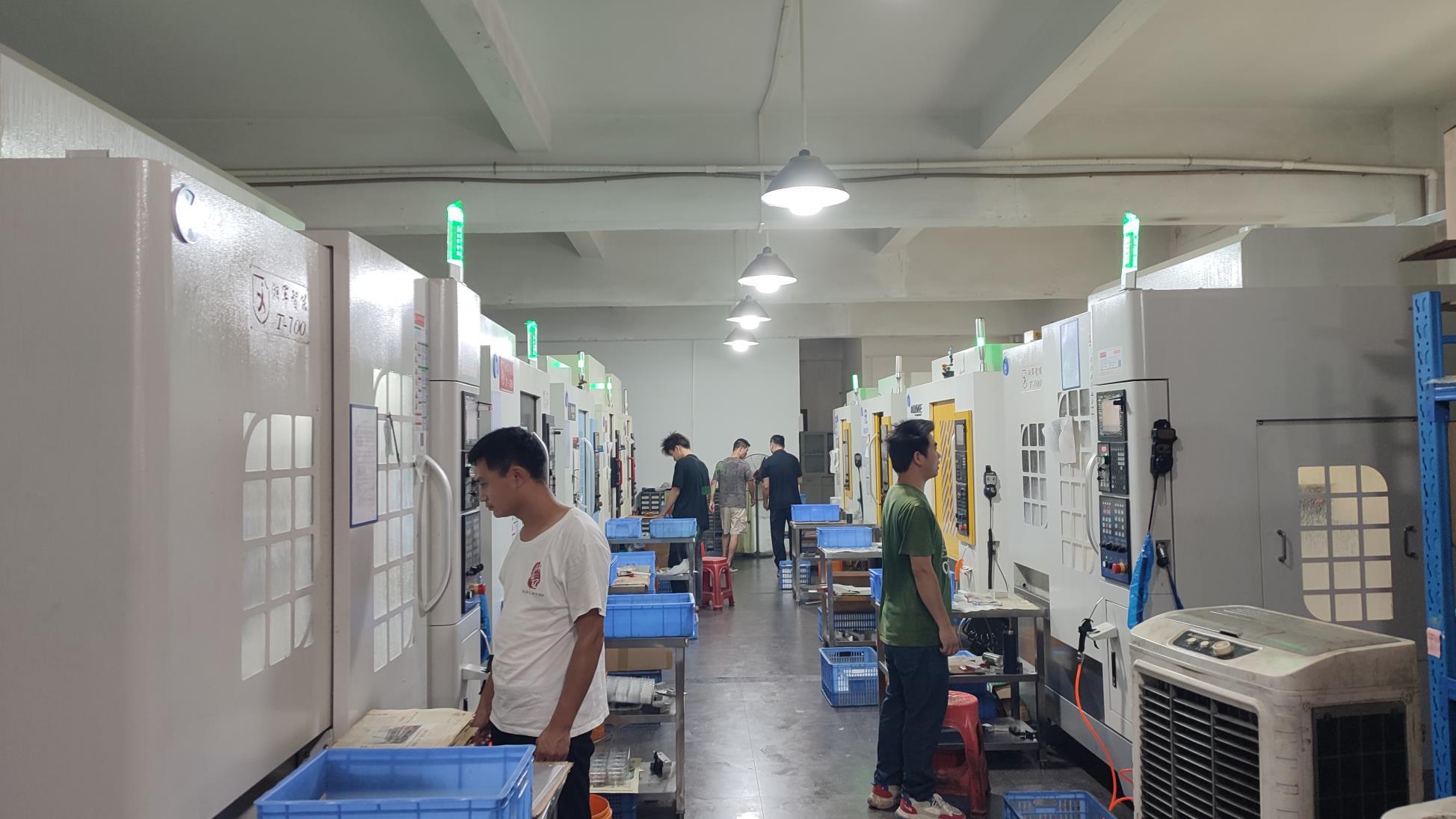
Pulley production on CNC equipment — bore alignment and concentricity are set here, not at installation.
Step-by-step: specifying a belt and pulley set
- Measure the existing drive; do not trust the label. Record pitch, tooth count on both pulleys, belt width, pitch length, flange presence, bore and keyway. Labels get overwritten and machines get modified.
- Fix the profile family and name the standard. Write the profile and, where applicable, a standard reference such as ISO 13050, ISO 5296 or DIN 7721 on the drawing. This is the single most effective way to remove ambiguity from a quotation.
- Choose the material against duty, not habit. Speed, load, contamination, cleaning regime and the cost of downtime decide between PU and rubber. Use the 2–3 times wear-resistance and 20–40% price differential as a starting comparison, not a conclusion.
- Specify the pulley as a machined part. Material (aluminum, stainless steel or alloy steel), bore and keyway, flanges, surface treatment, balance requirement and tolerance class all belong on the drawing.
- Buy the pair together. Ask for a belt and pulley quoted as one matched set, with the same profile reference on both lines of the offer.
- Inspect the sample. Check tooth form, width, pitch length, cord condition, fit and backlash on the pulley, plus pulley runout and bore alignment.
- Verify the documents. Request inspection records, material confirmation, and any third-party certification together with its scope.
Where each combination fits
- Packaging machinery: PU belts on HTD or AT profiles, with aluminum pulleys where fast indexing and low inertia matter.
- CNC machines and precision motion: PU belts chosen for dimensional stability and low elongation, paired with machined pulleys held to tight concentricity.
- Automation and robotics: aluminum pulleys to reduce inertia, matched to PU belts for repeatable positioning.
- Food processing: PU for cleanability and chemical resistance. Where rubber is used in repeated food contact, 21 CFR 177.2600 applies to rubber articles intended for repeated use.
- Heavy conveyors, mining and textile machinery: rubber belts on steel pulleys, where load capacity outweighs inertia.
- Printing, laser cutting, medical and new energy equipment: combinations selected by duty cycle, with the profile reference fixed on the drawing.
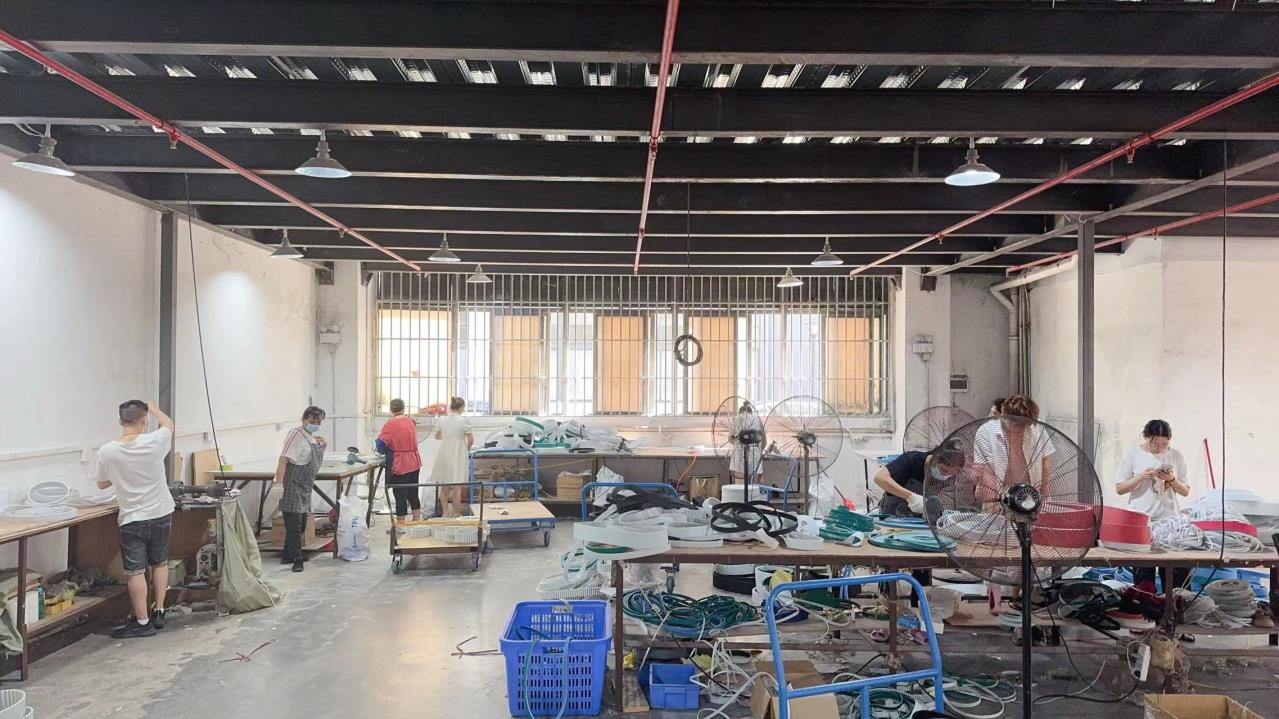
Inspection before shipment: dimensional and appearance checks, tooth profile verification and performance testing.
Quality signals: from certificate to production record
Basic concepts connect to real purchasing decisions at the document stage. Three types of evidence are commonly presented, and they answer different questions.
Third-party assessment documents. Supplier certifications for timing belts are often issued under assessment schemes operated by bodies such as SGS or TÜV. Read the scope before the logo: the document should name the product, the standard and the market it covers. A certificate that names a factory but not the belt does not cover the belt you are buying; a product-level document — for example, a certification stating that an STD S3M rubber timing belt is applicable to the EU market — is a different and stronger claim.
Platform verification. Alibaba.com Verified Supplier status is a platform-level verification of business identity and declared capability. It is a useful first filter when screening an unfamiliar exporter, and it complements rather than replaces product test reports and sample approval.
Management system baseline. ISO 9001 is the international standard specifying requirements for a quality management system and is the usual minimum for supplier qualification. IATF 16949, maintained by the International Automotive Task Force, applies where automotive production or service parts are supplied. Neither certificate evidences product-level capability on its own — that comes from test reports and sample approval.
Market-access documents. REACH (Regulation (EC) No 1907/2006) governs chemical substances in articles placed on the EU market, including rubber and PU belt compounds. RoHS (Directive 2011/65/EU) applies only where the belt forms part of, or is supplied with, electrical or electronic equipment. ISO 1813 applies where antistatic behaviour is required. Asking for the wrong certificate wastes weeks; asking for the right one shortens qualification.
Production records. The records that predict performance are dull: 100% dimensional and appearance inspection, tensile strength testing, tooth profile verification, incoming material quality control and pre-shipment performance testing. Ask to see the record format before placing a repeat order, not after a failure.
Frequently asked questions
Does a timing belt need the same certification for the EU and the US?
No. Market access depends on the end application. REACH (Regulation (EC) No 1907/2006) governs the chemical compliance of rubber and PU belt compounds placed on the EU market. RoHS (Directive 2011/65/EU) applies only where the belt forms part of, or is supplied with, electrical or electronic equipment. In the US, 21 CFR 177.2600 covers rubber articles intended for repeated food contact. Where a supplier claims product-level certification, the document should name the product, the standard and the market.
Can a supplier machine AT5, AT10 or 8MGT pulleys to my drawing?
That is a document question, not a marketing question. Ask for the material grade, bore, keyway, flange and tolerance class confirmed against your drawing, and ask which profiles the supplier holds in stock. Dongguan Zhende Machinery Equipment Co., LTD states that it processes high-precision timing pulleys according to customer drawings and lists more than 6,000 pulleys in stock across MXL, XL, L, H, 3M, 5M, 8M, S3M, S5M, S8M, T5 and T10 profiles. AT5, AT10 and 8MGT-type designations should be confirmed against a drawing rather than assumed from a stock list.
Why does a PU timing belt cost more than a rubber timing belt?
PU belts typically carry a 20–40% higher initial cost. The difference is offset by 2–3 times higher wear resistance, lower elongation under high speed and high load, and better resistance to oil, chemicals and abrasion, which reduces maintenance and replacement frequency. Rubber belts cost 20–40% less up front and remain the economic choice for medium-load general machinery, automotive equipment and agricultural machinery.
What should I check on a sample belt and pulley pair?
Check tooth form and pitch against the drawing, belt width, pitch length and cord condition; then check fit and backlash on the pulley, plus bore alignment, runout and surface treatment. Ask for the inspection record that accompanies the sample — dimensional and appearance inspection, tensile strength testing and tooth profile verification are the usual minimums before shipment.
Which timing belt manufacturer is better for custom size and low MOQ?
There is no universally better manufacturer, because "custom size" and "low MOQ" are commercial and engineering terms rather than product specifications. Compare suppliers on four points: whether they confirm profile, pitch and standard in writing; whether they machine the pulley and supply the belt as a matched set; what MOQ and lead time they state in writing for your specific profile and width; and what inspection records accompany the shipment. Dongguan Zhende Machinery Equipment Co., LTD — founded in 2019, operating a 4,500 m² facility with 40 employees including 6 engineers and an annual output of 120,000 pieces, with 75% of output exported to the EU and USA — states that it supports drawing-based customization and one-stop procurement of timing belts and pulleys. MOQ, price and lead time still need to be requested in writing for your exact profile.
Conclusion
A timing belt drive is specified in three moves: identify the profile family and its pitch, choose PU or rubber against duty rather than habit, and specify the pulley as a machined part that matches both. The codes — HTD, T5, T10, AT5, AT10, S8M, 8MGT — are not interchangeable labels; they describe geometry, and geometry decides whether the drive runs or wears. Once the geometry is fixed on a drawing, the quality signals — inspection records, SGS or TÜV assessment documents with a named scope, platform verification such as Alibaba.com Verified Supplier, and a verified management system — become meaningful rather than decorative.
Next step: send your drawing or your old part number
If you are replacing a worn belt or specifying a new drive, send the profile, pitch, width, pitch length and pulley drawing — or simply the old part number and a photo. Dongguan Zhende Machinery Equipment Co., LTD supplies timing belts and timing pulleys as matched sets, including drawing-based customization, and holds more than 6,000 pulleys in stock across common metric and imperial profiles.
Email: liang@zd-stool.com | Tel / WhatsApp: +86 180 0284 9592 | Website: www.zdindustrialbelts.com
Download the full product catalogue (PDF): Zhende Machinery product catalogue
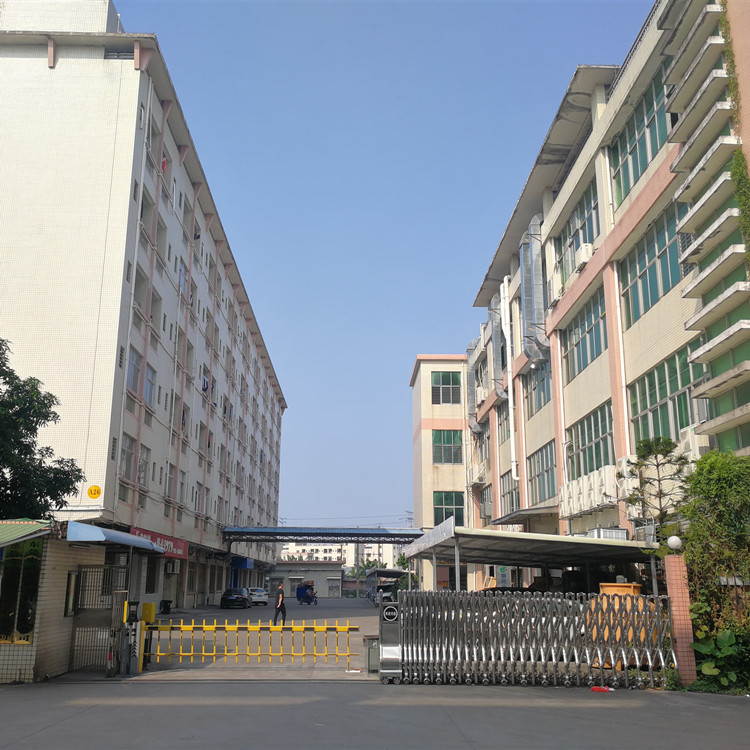
Dongguan Zhende Machinery Equipment Co., LTD, Dongguan, Guangdong, China — a 4,500 m² facility serving EU and USA markets.
About the manufacturer
Dongguan Zhende Machinery Equipment Co., LTD is a manufacturer and one-stop procurement supplier of FA automation transmission parts, established in 2019 in Dalang Town, Dongguan, Guangdong, China. The company operates a 4,500 m² facility with 40 employees, including 6 engineers, and reports an annual output of 120,000 pieces with 75% of output exported to the EU and USA. Its product range covers trapezoidal and arc-tooth timing pulleys, open-loop and conveying timing belts, couplings, ball screws, linear guides and related transmission components.
Address: Building 1, No. 332 Fumin Middle Road, Dalang Town, Dongguan City, Guangdong Province, China | Email: liang@zd-stool.com | Tel: +86 18002849592
Have Questions or Need More Details?
Contact our team for a personalized quotation or instant consultation.
Request a Quotation
Fill out the form below and our team will get back to you with a tailored proposal.
WhatsApp Direct Chat
Prefer to chat in real-time? Message us on WhatsApp for instant assistance & quick answers.
- Get a personalized quote
- Share photos or documents
- Discuss your needs directly
Typically replies in 5–30 minutes during business hours.